Roofing
Decide between roof repair and replacement
Compare what is already there with what you need from the roofing work. Start with the boundary between local defects and widespread wear, paying attention to visible deterioration, drainage patterns and concealed conditions. Set aside assumptions about anything that cannot be assessed from the visible surface.
RETHINK THE EVERYDAY
Connect the room. Clarify the plan.
Make two lists for the boundary between local defects and widespread wear: the elements worth keeping and the changes that have a defined purpose. Put unknown conditions in a separate column rather than treating them as defects or assuming they are sound. The comparison should show whether a limited intervention can meet the brief and what a broader option would change.
Inspect
Document where leaks or wear have appeared without assuming the visible location is the source. Put the proposed change beside the condition you are starting with. Compare both using the same criteria: what the area needs to do, how much work is required and what adjoining material would be disturbed. That makes the comparison useful even when the two options look different at first.
Compare
Ask how long the surrounding roof can reasonably remain in service if only one area is addressed. Label visible facts separately from assumptions. If the conclusion depends on a concealed condition, identify how it can be verified and what would change if the assumption proves wrong. Avoid treating an investigative item as a firm commitment before someone can see the relevant part of the property and document it.
Connect
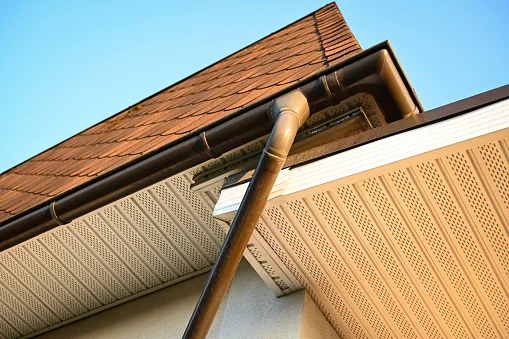
Resolve how any new covering and flashing will tie into retained materials. Follow each option to the point where new work stops. A smaller intervention can still require careful work at that boundary, while broader replacement can sometimes simplify the connection. Ask how each option deals with existing material and which details affect future access, inspection or maintenance.
Move the plan forward
Ask for separate scopes where repair and replacement are both credible.
Check that each option addresses the conditions at the boundary between retained and new work.
Decide who will assess hidden areas and when an option can be ruled in or out. Allow the scope to change if the investigation turns up evidence that contradicts the original assumptions. Record the reason for any change.
YOUR NEXT STEP
Compare the options on site
Bring views of the areas you would like to keep and the parts you want the roofing work to change. Use them to compare a limited scope with a larger one and identify the observations needed to make that choice.